

- posted: Mar. 09, 2026
A Complete Guide to Red Eye: Causes, Symptoms, and Treatment Options
What Is Red Eye?
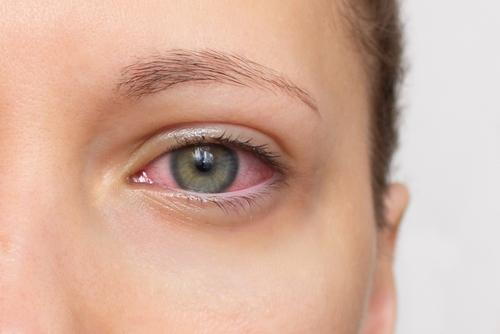
Red eye occurs when the small blood vessels on the surface of the eye become enlarged or inflamed. The white part of the eye, known medically as the sclera, appears pink or bright red. In many cases, the irritation is mild but may indicate infection, injury, or underlying disease.
Common Causes of Red Eye
Several factors can trigger redness in the eyes. Some causes are temporary and harmless, while others require care from an optometrist near you.
Eye Infections
Bacterial or viral infections frequently lead to red eye. Conjunctivitis, also called pink eye, causes inflammation of the conjunctiva, which is the thin membrane that covers the white of the eye. Viral conjunctivitis spreads easily, while bacterial infections often produce discharge.
Allergies
Allergic reactions can inflame the eyes and surrounding tissues. Pollen, dust, pet dander, and mold often trigger eye redness. The immune response releases histamine, which irritates the eye.
Dry Eye Syndrome
Insufficient tear production can cause dryness and inflammation. Tears protect and lubricate the eye surface, so redness may appear when the tear film becomes unstable.
Environmental Irritants
Smoke, air pollution, chlorine, and wind can irritate sensitive eyes. These irritants may trigger redness, tearing, and mild burning sensations.
Symptoms That May Occur with Red Eye
Common symptoms include:
- Eye redness and visible blood vessels
- Burning or itching sensations
- Watery eyes or excessive tearing
- Thick or watery discharge
- Light sensitivity
- Blurred vision in some cases
Medical evaluation is important when pain, vision changes, or severe swelling occur.
Red Eye Treatment Options
Effective Red Eye Treatment depends on the cause. An eye exam allows a doctor to diagnose the condition and recommend appropriate care.
Artificial Tears
Lubricating eye drops can relieve dryness and mild irritation. These drops restore moisture to the eye surface and reduce inflammation.
Prescription Eye Drops
Antibiotic eye drops treat bacterial infections. Antihistamine or anti-inflammatory drops often help control allergic reactions.
Warm or Cool Compresses
A warm compress can improve circulation and loosen debris around the eyelids. A cool compress may reduce swelling and calm irritation.
When to See an Optometrist Near You
Some cases of red eye improve within a few days. However, persistent symptoms should not be ignored. Medical evaluation helps prevent complications and protects long-term vision.
Patients in Colorado Springs, CO, can visit Chapel Hills Vision Clinic for a comprehensive eye examination and professional red eye treatment. To learn more or schedule an appointment, call our office at (719) 599-5083. Early care often leads to faster recovery, and healthy eyes support clear vision every day.
Location
2438 Research Pkwy Ste 200
Colorado Springs, CO 80920
Hours of Operation
7:30 am - 5:30 pm
7:30 am - 5:30 pm
7:30 am - 5:30 pm
7:30 am - 5:30 pm
7:30 am - 5:30 pm
8:00 AM - 12:00 pm
Closed
