
Red Eye FAQs: Causes, Symptoms, and When to Seek Care
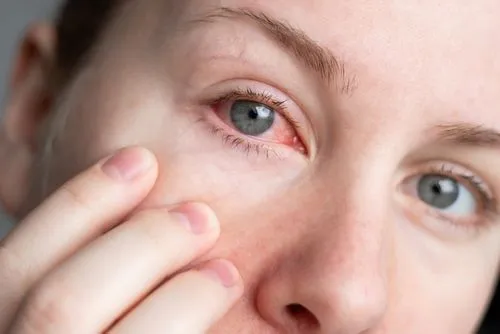
Red eye occurs when the blood vessels on the surface of the eye become enlarged or irritated. This change causes the white part of the eye to appear pink or red. Red eye treatment can vary depending on the underlying cause. A comprehensive eye examination helps determine the correct diagnosis and treatment approach.
What Causes Red Eye?
Red eyes may develop for several different reasons. One common cause is conjunctivitis, which is inflammation of the conjunctiva. This thin membrane covers the white part of the eye and lines the inner eyelids. Conjunctivitis may result from bacterial infections, viral infections, or allergic reactions.
Dry eye syndrome can also cause redness. When the eyes do not produce enough tears, irritation and inflammation may occur. Environmental factors such as smoke, dust, and air pollution may also contribute to eye irritation.
What Symptoms Often Occur With Red Eye?
Redness is the most obvious sign of red eye, although other symptoms may also appear. Many patients report itching, a burning sensation, or a feeling that something is in the eye. Increased tearing or watery discharge may occur.
Some individuals experience blurred vision or light sensitivity. In cases of infection, thick discharge or crusting around the eyelids may develop. When these symptoms appear, an optometrist near you can evaluate the condition and recommend appropriate treatment.
Is Red Eye Always Serious?
Red eye is not always a serious condition. Mild irritation may resolve within a short period, especially when caused by dryness or temporary environmental exposure. Pain, vision changes, and extreme light sensitivity require professional evaluation. These symptoms could indicate more serious eye conditions such as keratitis or uveitis. Early diagnosis helps prevent complications and protects long-term eye health.
How Do Optometrists Diagnose Red Eye?
An eye examination allows an optometrist to determine the cause of red eye. The doctor evaluates the eye’s surface, tear film, and surrounding tissues. A slit lamp microscope is often used to examine the eye in detail. In certain cases, additional testing may be recommended to identify infections or inflammatory conditions. This process ensures the most effective red eye treatment is selected.
What Are Treatment Options for Red Eye?
Treatment depends on the underlying cause of the redness. Artificial tears are often recommended for dry eye-related irritation. Antihistamine eye drops may be used for allergic reactions. Bacterial infections may require prescription antibiotic drops. Viral infections often resolve on their own, though supportive care often helps relieve discomfort.
Eye Care in Colorado Springs
Our experienced team at Chapel Hills Vision Clinic provides comprehensive red eye treatment for patients in Colorado Springs. To learn more or schedule an appointment, call our office at (719) 599-5083. Individuals looking for an optometrist can rely on our clinic for expert care and personalized treatment plans to restore eye health and comfort.
